
Many Filipinos dream of visiting Japan, but the idea can feel a bit far-fetched. Japan is known for being expensive and having strict rules for getting a visa.
But don’t worry! Applying for a Japan visa is actually easier than you might think. Recently, Japan has made it simpler for Filipinos to visit by relaxing some of its visa rules.
Once you have a Japan visa, you’re just a step away from experiencing its awesome culture — from beautiful cherry blossoms to delicious ramen and cute stuff everywhere!
And here’s a cool bonus: having a Japan visa can make it easier for you to visit other countries too. For example, if you have a valid or expired Japan visa, you might get approved for a three-month multiple-entry visa to Taiwan.
Exciting, right? So, if you’re pumped about going to Japan, start your visa application! This guide will help you make it happen and get you one step closer to your dream destination.
How Can I Get a Japan Visa in the Philippines?
1. Choose the Right Japan Visa Type
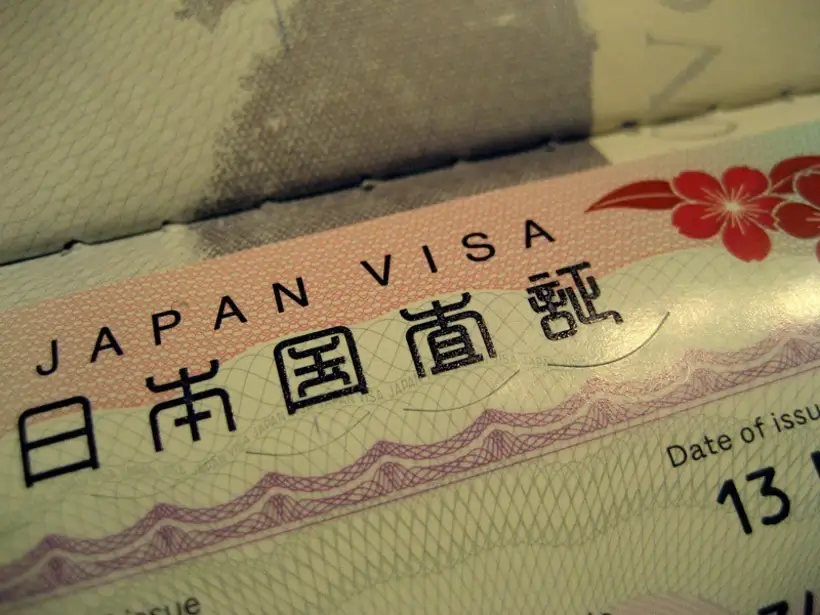
Japan offers different visas, allowing for either a single visit or multiple entries, depending on why you want to go. Each type serves a specific purpose like tourism, visiting friends, or seeking medical help.
Each visa comes with its own set of requirements. For example, if you’re going to Japan for business (like meetings or training), you’ll need a certificate of employment. But if you’re going as a tourist, you won’t need that.
Remember, you can’t work in Japan with a tourist visa. If you plan to work there, you’ll need a different kind of visa.
So, before you apply for a Japan visa, figure out which type suits your visit. This will make the application process smoother, and you won’t have to keep going back and forth with paperwork.
This guide is all about getting a single-entry tourist visa. It’s perfect if you’re a Filipino planning your first trip to Japan and arranging everything yourself.
If you’re going to Japan for something else, check out the official website of the Japanese Embassy in the Philippines for more info.
2. Complete Your Japan Visa Requirements
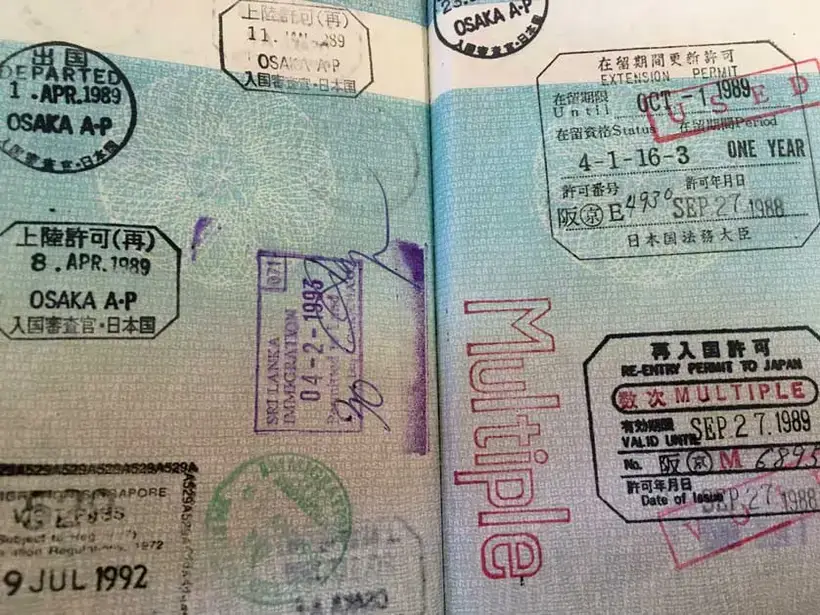
Once you’ve decided to apply for a tourist visa to Japan, make sure you have all the necessary documents ready. The Japanese Embassy only accepts original copies and printed documents on A4-size paper. Here’s a checklist of the requirements for visitors from the Philippines:
a. Passport Power
- Make sure it’s valid for more than six months.
- Got a signature and two blank pages? Perfect!
- Keep it in good shape.
b. Form Filling Fun

- Grab the Japan visa application form from their website or at the Embassy.
- Take your time filling it out — there’s a guide to help.
- Print it out on A4 paper and sign it. Easy!
c. Photo Ready
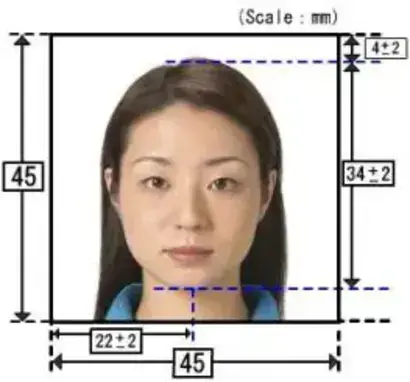
- A recent ID photo is a must.
- It should be 4.5 cm x 4.5 cm with a plain white background.
- Write your name and birthdate on the back.
- Paste it on the form, no stapling!
d. Birth Certificate Business
- Get one issued within the last year by the PSA.
- If it’s not there, bring a Certificate of Non-Record from the PSA.
- Late registration? You’ll need Form 137, baptismal certificate, and school yearbook.
- Skip this if you’ve got a passport with a used Japan visa.
e. For the Married Folks
- Married? Bring that marriage certificate issued within the year by the PSA.
- No record? Get a Certificate of Non-Record from the PSA.
- Again, skip it if you’ve got a passport with a used Japan visa.
f. Japan Journey Journal
- Plan out your trip with dates, activities, and where you’re staying.
g. Group Getaway? List It!
- Traveling with family or friends? Fill out the List of Visa Applicants form.
- No need if you’re going solo.
h. Money Matters
- No Sponsor?
- Bank certificate (it’s like show money) valid for three months.
- Latest Income Tax Return (ITR) photocopy.
- Got a Sponsor?
- Guarantee letter from them.
- Prove you’re related with birth or marriage certificates.
- Get their ITR and bank certificate copies.
3. Look for an Approved Travel Agency
When you’re getting your Japan tourist visa, you gotta use an accredited travel agency. The Japanese Embassy insists on it.
Here’s the cool part: the agency does all the heavy lifting. No need to hustle to the Embassy of Japan for an interview.
Right now, there are seven travel agencies in the Philippines that can hook you up with a visa. You can just walk in and drop off your application from Monday to Saturday. Some even stay open on Sundays, especially those chill agencies in malls. But hey, remember, most of them take a break on Sundays and holidays. Keep it in mind!
Below is a list of travel agencies accredited by the Japanese Embassy, along with their contact information:
| Company Name | Location | Address | Contact | Hours |
|---|---|---|---|---|
| Attic Tours Philippines, Inc. | Head Office | Unit 203 COKO Building 1, Patio Madrigal, 2550 Roxas Blvd., Pasay | (02) 556-6301 to 05 | Mon-Fri: 9 a.m. – 6 p.m.; Sat: 9 a.m. – 3 p.m. |
| Hotel JEN Office | G/F, Hotel JEN Manila, 3001 Roxas Blvd., Pasay | (02) 984-0566 / 668-9845 | Mon-Fri: 9 a.m. – 6 p.m.; Sat: 9 a.m. – 3 p.m. | |
| SM North EDSA | G/F The Block, SM North EDSA, Quezon City | (02) 372-3254 / 63 373-2594 / (0917) 898-0905 | Mon-Sun: 10 a.m. – 9 p.m. | |
| Cebu Office | Lobby, Waterfront Airport Hotel 1, Airport Road, Lapu-Lapu City | (032) 341-2299 / 341-2012 | Mon-Fri: 9 a.m. – 6 p.m.; Sat: 9 a.m. – 3 p.m. | |
| Cebu Shangri-La Mactan | Lobby, Shangri-La’s Mactan Resort & Spa, Punta Engano Road, Lapu-Lapu City | (032) 341-2299 341-2013 | Mon-Fri: 9 a.m. – 6 p.m.; Sat: 9 a.m. – 3 p.m. | |
| SM City Davao | Level 3, SM City Davao, Quimpo Blvd., Talomo, Davao City | (082) 225-8920 / (0917) 321-1328 | Mon-Fri: 9 a.m. – 6 p.m.; Sat: 9 a.m. – 3 p.m. | |
| Discovery Tour, Inc. | Main Office | 301 G/F Sagittarius Bldg. H.V. Dela Costa St., Salcedo Village, Makati | (02) 812-3328 / japanvisamnl3@discoverytour.ph | Mon-Fri: 9 a.m. – 11:30 a.m |
| Cebu | Door No. 203-A1 2/F Northgate Center, Don Manuel Gotianuy Complex, Gov. Cuenco Ave., Banilad, Cebu City | (032) 340-1822 / 340-1824 / cebubranch@discoverytour.ph | Mon-Fri: 9 a.m. – 11:30 a.m | |
| Davao | Door 109 G/F Court View Inn Bldg. Quimpo Blvd. cor. Sandawa Road, Davao City | (082) 285-7188 / japanvisadvo1@discoverytour.ph | Mon-Fri: 9 a.m. – 11:30 a.m | |
| Friendship Tours and Resorts Corp. | Main Office | 3/F Dusit Thani Hotel, Ayala Center, Makati | (02) 810-9622 / 893-8180 / (0917) 548-1810 / visa@friendshipmanila.com | Mon-Fri: 8:30 a.m. – 6 p.m.; Sat: 8:30 a.m. – 12 p.m. |
| Cebu | Unit 2-508, 5th Floor, OITC 2 Bldg., Oakridge Business Park, A.S. Fortune St., Banilad, Mandaue City | (032) 345-3459 / 344-4825 / (0917) 724-3373 / visa@friendshipmanila.com | Mon-Fri: 8:30 a.m. – 4 p.m. | |
| Pan Pacific Travel Corporation | Head Office | 353 E.T. Yuchengco St., Binondo, Manila | (02) 243-6666 / panpacifictravel@gmail.com | Mon-Sat: 9 a.m. – 6 p.m. |
| Ermita | G/F Pacific Place Apartelle Suites. 539 Arquiza St., Ermita, Manila | (02) 523-1990 / 526-6427 / trafalgarmanila@panpacifictravel.com.ph | Mon-Sat: 9 a.m. – 6 p.m. | |
| Makati | Unit LG-1 Herrera Tower Condominium, 98 V.A. Rufino St. cor. Valero St., Salcedo Village, Makati | (02) 810-8551 to 56 / pptcmkti@yahoo.com | Mon-Sat: 9 a.m. – 6 p.m. | |
| Cebu | Diplomat Hotel, Suite No. 6, 90 F. Ramos St., Cebu City | (032) 254-0343/45/47/49 / panpaccebu@gmail.com | Mon-Sat: 9 a.m. – 6 p.m. | |
| Rajah Travel Corporation | Makati | 3F 331 Bldg., Sen. Gil Puyat Ave., Makati | (02) 894-0886 / webinquiry@rajahtravel.com | Mon-Fri: 8:30 a.m. – 5:30 p.m.; Sat: 8:30 a.m. – 12:30 p.m. |
| Manila | GF GLC Building, A. Mabini cor. T.M. Kalaw Sts. Ermita, Manila | (02) 523-8801 / webinquiry@rajahtravel.com | Mon-Fri: 8:30 a.m. – 5:30 p.m.; Sat: 8:30 a.m. – 12:30 p.m. | |
| Reli Tours & Travel | Main Office | 3F Dusit Thani Hotel, Ayala Center, Makati | (02) 894-1210 / 893-7259 / 893-9226 / relitours_visa@yahoo.com | Mon-Sat: 8:30 a.m. – 5:30 p.m.; Cut-off time for visa application: 4:30 p.m. |
| SM Mall of Asia | G/F Main Mall SM Central Business Park, SM Mall of Asia, Seaside Blvd., Pasay | (02) 556-1445 to 47 / relitours_visa@yahoo.com | Mon-Sun: 10 a.m. – 7 p.m. | |
| SM Megamall | G/F Megastrip A, SM Megamall EDSA, Mandaluyong | (02) 37-4694 / 637-4695 / 637-5020 / relitours_visa@yahoo.com | Mon-Sun: 10 a.m. – 7 p.m. | |
| Lucky Chinatown | 4/F Lucky Chinatown, Reina Regonte St. cor. Dela Reina St., Binondo, Manila | (02) 242-0640 / relitours_visa@yahoo.com | Mon-Sun: 10 a.m. – 7 p.m. | |
| SM Southmall | 3/F SM Southmall, Alabang-Zapote Rd., Las Piñas | (02) 800-4948 to 50 / (0906) 513-6222 / relitours_visa@yahoo.com | Mon-Sun: 10 a.m. – 7 p.m. | |
| Universal Holidays, Inc. (UHI) | Makati | G/F and 4/F Dusit Thani Hotel Ayala Center, Makati | (02) 859-3818 / 859-3858 to 60 / 859-3892 / japanvisa@universalholidays.com | Mon-Fri: 9 a.m.-5 p.m.; Sat: 9 a.m. – 12 p.m. |
4. Submit Your Japan Visa Application
Apply for your Japan visa in three different ways:
Option 1: Apply in Person
For a hands-on experience, visit your chosen travel agency, get a queue number, and submit your Japan visa requirements. If everything is okay, pay the processing fee, usually between Php 800 and Php 1,500+. The visa itself is free, but agencies charge for their services. Remember the fees for each agency:
- Attic Tours: Php 1,500 + 12% VAT
- Discovery Tour: Php 800
- Friendship Tours: Php 1,200
- Pan Pacific Travel Corp: Php 1,000
- Rajah Travel: Php 1,500
- Reli Tours: Php 950
- UHI: Php 1,200
After payment, you’ll get a receipt for passport collection later.
Option 2: Apply through a Representative
Some agencies, like Friendship Tours, Reli Tours, and UHI, require in-person applications, except for minors or seniors. If traveling with them, parents, siblings, or adult children can apply on their behalf. Representatives need a signed letter from the applicant, IDs, and proof of relationship.
Option 3: Apply via Courier
If you’re far from the agency, send documents through a courier. Ask your agency about accepted couriers and costs, like Attic Tours, which charges PHP 300.
5. Wait for the Outcome of Your Japan Visa Application
Getting a Japan visa usually takes from two to seven working days, sometimes even longer.
Just chill and wait for the agency to hit you up—via call, text, or email. They might need more papers or tell you to grab your passport at their place.
If they ask for more docs, make sure to hand them over within three months to keep your visa application alive.
And if your passport doesn’t show up after a week, you can check what’s up with your visa at the Japanese Embassy. Shoot them an email at ryoji@ma.mofa.go.jp or give them a ring at (02) 834-7514 / (032) 231-7321/231-7322 / (082) 221-3100/3200.
When you reach out, don’t forget to drop that eight-digit acceptance number from your receipt.
6. Claim Your Passport
When the travel agency gives you the heads up that your passport is ready, make your way to their office to snag it. Or, if you’ve arranged it beforehand, it might be coming your way through the mail – depends on what you sorted out with the agency.
If you can’t swing by yourself, no worries. Enlist a travel buddy to pick it up on your behalf. Just make sure they come equipped with your signed authorization letter and a copy of your ID.
The real scoop on your Japan visa status only becomes clear when you lay eyes on your passport. A white sticker means you’re good to go – visa approved. If it’s sporting a red sticker, though, that’s a rejection.
Tips and Warnings
1. For First-Timers: Keep It Short and Sweet
If it’s your first trip to Japan, play it cool by asking for a single-entry visa for 15 days or less. It’s like a golden ticket for first-timers. Trying to go big with a longer stay or a multiple-entry visa from the get-go might not impress the Embassy. They might think you’re on a job hunt, and that’s a one-way ticket to a visa denial. Once you’ve nailed the single-entry visa, you can dream big for your next Japan escapade.
2. Job-Seekers’ Hack: Get a Supporter
No job? No regular paycheck? No problem! You can still get that Japan visa if you bring in a superhero called a guarantor. Ideally, it’s someone in your family—parent, sibling, or spouse—who’s got the financial muscle to back your travel. And guess what? They don’t even need to tag along. What matters is their bank certificate and ITR shouting, “We got this!”
3. Attention to Detail is Key
When it comes to your Japan visa, think Sherlock Holmes—be meticulous. A tiny mistake could mean delays or worse, a rejection. Create a checklist of all your must-haves and update it as you go. Check your passport’s health, inform the photo studio about your Japan visa plans, and make sure all documents are A4 size. Oh, and triple-check for accuracy—better safe than sorry!
4. Supercharge Your Application
Want to go the extra mile? Toss in some extra documents. It’s like adding bonus points to your application. Think return flight ticket, certificate of employment, approved leave of absence, or even a snapshot of your travel history from your old passports. These goodies strengthen your bond with the Philippines and assure the Japanese Embassy you won’t pull a disappearing act.
5. Early Birds Get the Visa Worm
Brace yourself for queues at travel agencies, especially during peak times. But here’s the pro tip: become an early bird. Arrive at the agency’s doorstep early in the morning. Less waiting, less stress. Plus, you won’t risk missing the agency’s cut-off time and having to come back the next day.
In a nutshell, be a prep wizard, throw in some extra docs for flair, and be the early bird that catches the visa worm. May the visa odds be ever in your favor! Good luck!
Frequently Asked Questions
1. What are the various types of Japan visas?
There are two key players in this game: the Single-Entry Visa and the Multiple-Entry Japan Visa.
Single-Entry Visa: Think of this as your one-time ticket to Japan, allowing you to soak in the culture for up to 15 days within a 90-day period. Now, let’s break it down:
- Tourist Visa / Temporary Visitor Visa: Your go-to for self-planned vacations.
- Visa for Visiting Friends or Distant Relatives: Perfect for catching up with buddies or family in Japan.
- Visa for Commercial Purpose: Ideal for the business-minded, attending meetings and conferences.
- Visa for Official/Diplomat Purpose: The VIP pass for official or diplomatic visits.
- Transit Visa: A quick stopover on your way to another country.
- Visa for Medical Stay: For those seeking medical services like a pro.
- Nikkei-jin Visa: Exclusive for the descendants of Japanese nationals.
… and more! Each tailored for specific adventures.
Pro tip: Got a unique plan? The Embassy might grant you a special visa based on your visit’s purpose.
Multiple-Entry Visa: Level up your game with this pass, allowing multiple visits over three, five, or 10 years. Each stay? A cozy 15 or 30 days. Here’s the deal:
- Visited Japan in the Past Three Years: If you’ve recently explored Japan, welcome back!
- Short-Term Stay in Japan and G7 Countries: For those who’ve explored other G7 nations.
- Proof of Financial Capacity: Show them the money!
- Spouse or Child of Eligible Individuals: Tag along if you’re connected to the right people.
Bonus round: Multiple-Entry Visa holders enjoy the flexibility of multiple journeys.
How to Choose? Feeling lost? No worries. Submit docs for different visa types that match your plan, and the Embassy will sort you out with the perfect visa for your unique adventure.
2. How much money should I have in my bank account to get my Japan visa approved?
The Japanese Embassy doesn’t say a specific amount you need, but people who got their visa approved suggest having enough money in your bank certificate to cover your expenses in Japan.
Your show money should match how long you plan to stay. For a 15-day stay, having at least Php 100,000 is good. Some got approved with only Php 50,000, but they stayed for a shorter time, like five days.
The bank certificate shows your latest balance and your average balance for the past six months. To boost your chances, keep your show money in the bank for at least six months.
Watch out for red flags, like a sudden increase in your balance from a big deposit or transfer, as they might lead to your Japan visa application being rejected.
3. When should I get my Japan visa?
The best time to apply is about one to two months before you plan to leave—not too early or too late. This way, you have plenty of time to gather any extra documents you might need and ensure your visa doesn’t expire before your travel date.
4. Is it necessary to book a flight and hotel before applying for a Japan visa?
Even though the application form asks for your flight and accommodation details, you don’t have to book them right away. It’s better to secure your visa first to avoid losing money if your application gets denied.
When you fill out the application form, you can look for potential flights on airline websites or use fare comparison sites like Skyscanner. For hotels, check out booking websites to find a place to stay in Japan that you can mention on your visa application.
Remember, the choices you make on the form aren’t set in stone. You can decide on different flights or hotels later. If you want to reserve in advance, consider using platforms like Agoda, Airbnb, or Booking.com. They allow you to cancel for free without paying upfront. This comes in handy if, unfortunately, your visa application is not successful.
Keep an eye out for special deals on flights to Japan, especially from budget airlines like Air Asia and Cebu Pacific.
5. Is it okay to get a Japan visa without showing my Income Tax Return (ITR)?
Yes, it is! Some Filipinos have been given Japan visas even if they didn’t have an ITR.
If you’re in the same boat, you can write a letter to the Japanese Embassy explaining why you can’t provide an ITR and telling them about your job. For instance, if you’re a new freelancer or just started a business, or you recently registered with the BIR, you can explain that. Also, mention the countries you’ve visited before (to show your travel history) and why you want to go to Japan.
While using a template online can help, it’s better if you create your own letter from scratch. A personalized letter that explains your unique situation might persuade the consul more than a templated one.
Besides the letter, submit other proof of income like a certificate of employment, payslips, or business registration papers from the DTI or SEC. If you’re not confident about your reason for not submitting an ITR, you can ask someone (a guarantor) to provide their latest ITR instead when you apply for your Japan visa.
6. Can you get a Japan visa without having a bank account?
Yep! You can still apply for and get approved for a Japan visa even if you don’t have a bank account or can’t show a bank certificate.
Just find a guarantor, preferably a family member who can help fund your trip. Once you have a guarantor, all you need to do is submit their bank certificate and ITR—no need to stress about providing yours.
7. I’m thinking of going to Japan with my family or friends. Do we all have to go to the agency together when we submit our stuff?
It depends on the agency. Some want everyone there in person, but others let someone else, like an adult or senior, apply for you. You can also send your papers by mail if going in person is too much. Just check with the agency to see what they say about groups applying for visas.
8. Can I still get a Japan visa if I’m self-employed?
Absolutely! It’s not just for regular employees. Even if you’re a freelancer or have your own business, you can get approved.
To increase your chances, show documents that prove you’re coming back to the Philippines. Ask your clients for a certificate or a letter confirming your work details, like what you do, how much you earn, and how long you’ve been working for them. Make sure it has their name, address, and contact info, along with their signature.
You can also provide other income proof, like receipts from PayPal for client payments. If you’re on Upwork, download your earnings certificate to show how much you’ve earned in the past year.
9. My Japan visa application was rejected. What do I do now?
Well, unfortunately, there’s not much to do immediately. You have to wait for six months before you can give it another shot. During this time, make sure all your documents are in perfect order for a better chance of approval next time.
Curious about why your Japan visa got denied?
Here’s the deal: The Japanese Embassy doesn’t spill the beans on the specific reasons for rejection. They keep it hush-hush to prevent people from finding loopholes and illegally settling or working in Japan. But generally, if your application is denied, it likely means you missed the mark on some essential criteria, like providing complete and valid documents and having a current passport.
10. Do I have to print all Japan visa requirements on A4 size paper?
Nope! Only the stuff you create, like the application form and letters, should be on A4 paper. The official docs from the government or banks, like your ITR or birth certificate, can be whatever size they are. They’re official, so no need to resize them for the “A4 size” thing.
11. Can I Still Get a Japan Visa if I Have an Unused One?
When reapplying, it’s important to know that the Embassy may look closely at applications with previously unused Japan visas. They want to ensure the visa wasn’t overlooked or misused.
However, if you have a valid reason for not using your visa, you can still be approved, even for a multiple-entry visa. Besides the regular requirements, the travel agency may request an explanation letter detailing why you didn’t use your previous Japan visa.
In this letter, be honest and clear about why your trip got postponed. The Embassy uses this letter to decide on your new visa application. An honest and well-explained reason, supported by specific details, increases your chances of approval. For example, some applicants successfully explained in their letters that they went to Seoul to attend the same K-pop concert originally planned in Japan.