
Navigating the realm of medical certificates can often be a source of uncertainty, especially when they are required for crucial aspects such as work, benefits, or other requests. The ambiguity surrounding the acquisition of a medical certificate is a common concern.
This article aims to alleviate that uncertainty by providing comprehensive insights into the process of obtaining a medical certificate in the Philippines and shedding light on its diverse purposes. Whether you’re seeking clarity on the requirements or understanding the significance of this document in different contexts, this article serves as a guide to demystify the intricacies surrounding medical certificates.
What is a Medical Certificate?
A medical certificate is a formal document that meticulously records the details of a medical examination conducted by a qualified physician or healthcare professional. This essential document encompasses comprehensive information about the consultation, incorporating the physician’s thorough assessment of the patient’s health condition and any pertinent recommendations.
The significance of a medical certificate extends across various purposes, ranging from verifying a patient’s fitness for certain activities or employment to providing evidence for insurance claims or legal matters. Ensuring the accuracy of the information contained within is paramount, emphasizing the ethical responsibility of the doctor to sign only when the certificate is grounded in the patient’s actual consultation.
In the subsequent section, the multifaceted purposes of a medical certificate, as well as the typical structure and content that constitute this crucial medical record, will be elucidated.
What Details Are Essential to Include in a Medical Certificate?
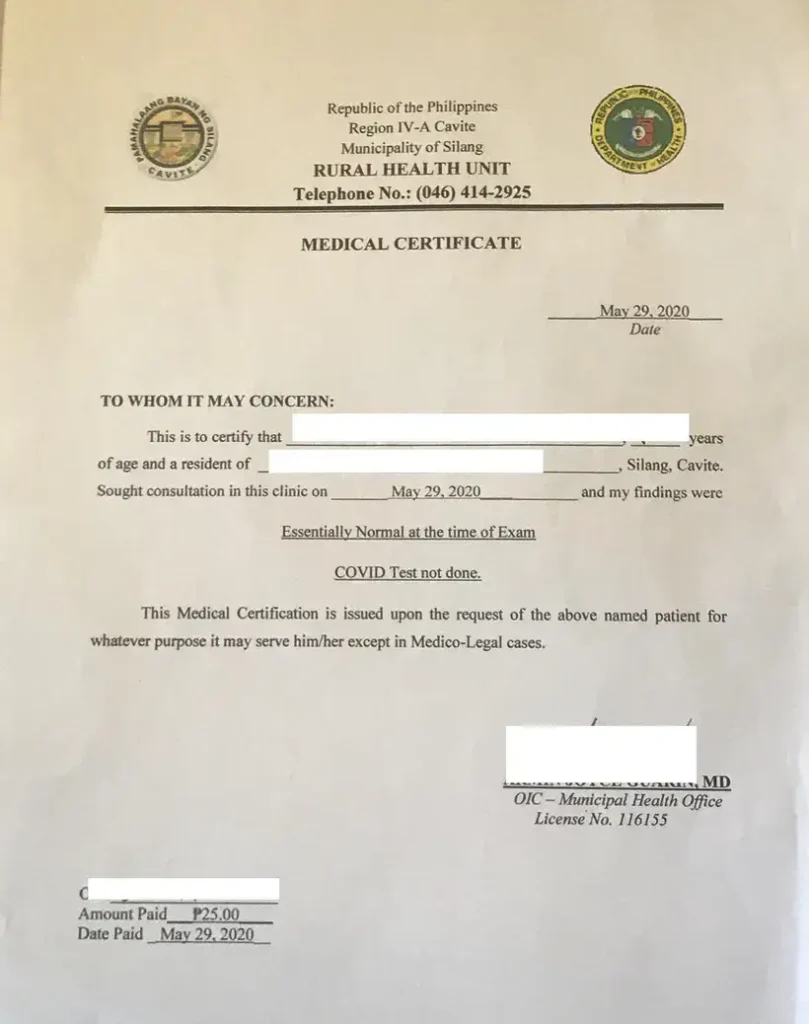
As depicted in the example, a typical medical certificate typically comprises the following sections:
1. Date of Consultation
The date of a medical consultation serves as a fundamental element in a medical certificate. This crucial detail not only documents the specific day the consultation occurred but also plays a pivotal role in determining the validity of the certificate. It acts as a reference point for assessing the patient’s health status during that particular consultation, providing essential context for any subsequent applications or medical evaluations.
2. Patient Identification
Patient identification is a cornerstone of a reliable medical certificate. This section includes vital personal information such as the patient’s name, age, and, in some cases, address or birthday. The accuracy of this information is paramount, as any errors may lead to complications in official applications. Precision in patient identification ensures the seamless flow of medical information and aids in the verification process.
3. Physician Recommendations and Remarks
The section on physician recommendations and remarks is where the medical certificate becomes actionable. Based on the purpose of the certificate and the physician’s evaluation, this portion outlines specific recommendations.
These recommendations can vary widely, encompassing everything from advice on rest to referrals, admission to a healthcare facility, or clearance for employment. Additionally, this section may include prescription details and specify the date of the next follow-up, providing a comprehensive plan for the patient’s ongoing care.
4. Patient Chief Complaint, Brief Medical History, Summary of Findings
This segment delves into the patient’s health narrative. It outlines the chief complaint that led to the consultation, offering a brief medical history to contextualize the current condition. The summary of findings encapsulates observations and results from the physical examination, providing a snapshot of the patient’s health status during the consultation.
This comprehensive overview aids in understanding the patient’s health journey and informs further medical decisions.
5. Name, Location, Contact Details, and Credentials of the Physician
The physician’s details are a critical component of a medical certificate. This section includes the physician’s name, location, and contact information, such as clinic address, phone number, and email. These details ensure the traceability and verification of the examination, adding credibility to the certificate. Patients and relevant authorities can use this information to reach out for further clarification or confirmation.
6. Physician Signature and License Number
The physician’s signature and license number serve as the proverbial seal of authenticity for the medical certificate. The signature indicates the physician’s endorsement of the document, and the license number provides a means of verification. This dual authentication process adds an extra layer of assurance to the certificate, assuring recipients of its legitimacy.
Communicating the certificate’s intended purpose beforehand allows physicians to tailor their assessments accordingly. It also emphasizes the potential repercussions of inaccuracies or incomplete information, especially in official applications. Adhering to the specified guidelines ensures the smooth processing and acceptance of the medical certificate within various contexts.
What Are the Purposes of a Medical Certificate?
A medical certificate is typically sought for the following reasons:
1. Documentation for PWD Application
When applying as a Person with Disability (PWD), documentation becomes a prerequisite. This often involves presenting a medical certificate or an abstract that meticulously outlines the nature and extent of the disability. The goal is to provide comprehensive information that aids decision-makers in understanding the unique needs of the individual seeking support or accommodation.
2. Clearance for Work Immersion
For individuals engaging in work immersion or activities that involve physical exertion, obtaining clearance is a crucial step. It is essential to inform the physician beforehand about the purpose and nature of these activities. This proactive communication ensures that the assessment is tailored to the specific demands of the immersion, promoting both safety and inclusivity.
3. Insurance Claims/Health Benefit Claims
Documentation plays a pivotal role in insurance claims, particularly in life or health insurance benefit scenarios. Whether filing critical illness claims, seeking HMO reimbursement, or applying for accident/disability claims, the information provided must be complete, accurate, and updated. Failure to maintain precision in documentation may result in delays or complications in benefit processing.
4. Employment and Fit to Work
Pre-employment requirements often include proof of fit-to-work status. It is essential to keep the physician informed about the pre-employment assessment to ensure that the documentation aligns with the specific demands of the job. This practice not only assists employers in making informed decisions but also supports individuals with disabilities in accessing employment opportunities.
5. Medical Clearance
The need for medical clearance extends beyond employment, covering a spectrum of activities with a higher risk of injury or accident. From medical procedures to travel plans, obtaining medical clearance ensures that individuals are physically prepared for the challenges they may face. This process emphasizes preventive measures and risk mitigation.
6. Sick Leave
Timely documentation is crucial when filing for sick leave. Submitting the necessary documents early in the illness, preferably on the first or second day, enables employers to understand the situation and make necessary arrangements. Physician assessments, based on timely consultations, provide a clear picture of the individual’s health status during the sick leave period.
7. Medicolegal Purposes
Perhaps one of the most complex purposes, documenting medical status after accidents, trauma, abuse, or injuries is of utmost importance for medicolegal purposes. These documents hold legal significance and serve as crucial evidence in legal cases. Accuracy and timeliness in documentation become critical factors in ensuring justice and fair representation for individuals with disabilities.
How Can I Get a Medical Certificate?
1. Acquiring a Standard Medical Certificate: General Procedures
First Step: Arrange a Meeting With Your Doctor for a Consultation

In the pursuit of a medical certificate, a crucial step is consultation with a qualified physician. This process involves a comprehensive evaluation of your medical history, a thorough physical examination, and, when necessary, diagnostic tests. To ensure a seamless experience, consider the following steps:
- Outpatient Session Scheduling: Begin by contacting the clinic of the chosen physician to schedule an outpatient session. Many hospitals and clinics, such as St. Luke’s Medical Center QC, Makati Medical Center, Keralty Outpatient Clinics, and The Medical City Clinics, provide outpatient services. Check their websites or social media pages for the latest information on physician schedules.
- Check with Your Family/Attending Physician: If you have a family or attending physician, it’s advisable to check their availability. Regular physicians are already familiar with your medical history, making the consultation process more efficient and personalized. Contact their clinic and schedule an appointment at your earliest convenience.
- HMO Provider Consultation: For those covered by Health Maintenance Organizations (HMOs) like Maxicare, Medicard, or PhilCare, explore the option of consulting primary care clinics within your HMO network. Ensure that the chosen clinic has accredited physicians within your plan. This not only streamlines the consultation process but may also reduce out-of-pocket expenses.
- Advance Confirmation: To avoid any potential inconvenience, call the clinic in advance to confirm the physician’s availability. This step ensures that your appointment is secured and minimizes the likelihood of unexpected schedule changes.
- Teleconsultation Option: In the age of technology, many physicians offer teleconsultation services through phone calls, video calls, or online platforms. This option provides a convenient alternative, especially for routine check-ups or minor consultations. Schedule a teleconsultation with your chosen physician, and be sure to provide any necessary medical records or information digitally.
- Government Clinics for Medical Certificates: Local government clinics and barangay health clinics often issue medical certificates. Before heading to these facilities, confirm their consultation services and certificate issuance procedures in advance. Keep in mind that these clinics may experience lines and waiting times, and immediate certificate issuance depends on the availability of health officers.
- Considerations for LGU/Barangay Clinics: When opting for government clinics, be prepared for potential lines and waiting times. Understand that the immediate issuance of a medical certificate may be contingent upon the availability of health officers. Plan accordingly to allow for any potential delays.
Second Step: Proceed to the Consultation and Notify Your Doctor About the Request

During your consultation, it is important to inform the clinic or physician about your specific request for a medical certificate. Your physician will diligently inquire about your comprehensive medical history and perform a thorough physical examination during face-to-face consultations.
Based on their assessment, additional laboratory tests or diagnostic procedures may be recommended to gather comprehensive information about your health. If the physician deems it necessary, they may provide a referral to a hospital or specialist for further evaluation.
Subsequently, the physician will meticulously document all findings and recommendations on the medical certificate, ensuring that it accurately reflects your health status and any pertinent information required for your specific request.
Third Step: Verify Details Upon Receiving Medical Certificate
Before departing the clinic, it is imperative to conscientiously review your medical certificate. Take a moment to ensure that all essential information relevant to your medical condition and treatment is accurately documented.
Verify the precision of your personal details, such as your name, date of birth, and contact information, as any inaccuracies could lead to complications in future medical processes. Additionally, carefully scrutinize the certificate for typographical errors, and promptly rectify any discrepancies.
A thorough review of the medical certificate before leaving the clinic is a prudent step to guarantee its accuracy and completeness, facilitating smooth communication between healthcare providers and ensuring the seamless continuation of your healthcare journey.
2. Acquiring a Medicolegal Certificate
A medico-legal certificate, a crucial legal document, meticulously delineates medical findings pertinent to injuries resulting from a myriad of incidents, ranging from motor vehicular accidents to assault, abuse, rape, sexual assault, or attempted suicide. Primarily serving as irrefutable evidence, this certificate is instrumental in establishing and validating the medical status of individuals during consultations.
While any registered hospital theoretically possesses the authority to issue a medico-legal certificate, challenges emerge, particularly in private hospitals and Emergency Departments, notably in the Philippines. Issues may stem from varying hospital protocols, prompting the need for individuals to understand the specific procedures involved.
In practice, patients are often directed towards Philippine government hospitals for the acquisition of such certificates, mitigating potential challenges encountered in private healthcare institutions. Thus, individuals are advised to navigate hospital protocols judiciously and, when applicable, consider seeking medico-legal certificates from government hospitals to ensure a smooth and efficient process.
First Step: Seek Immediate Assessment at the Hospital Following the Incident
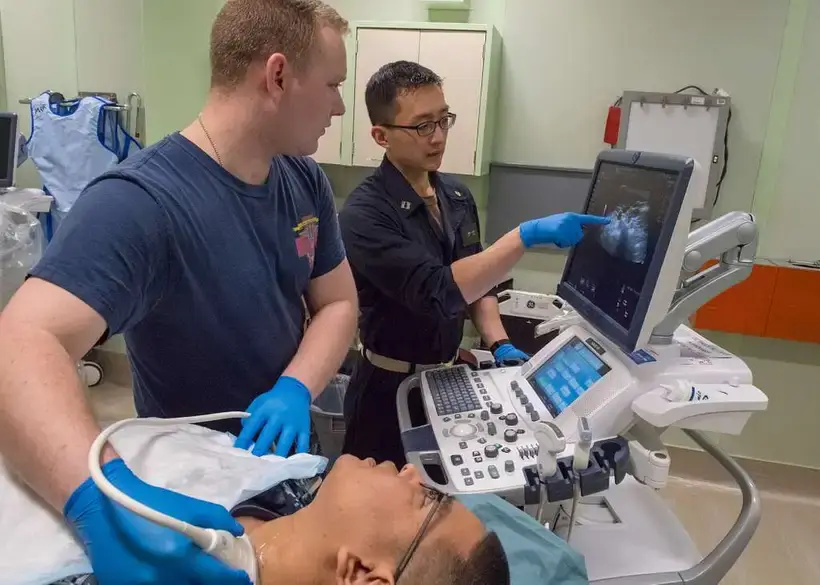
Immediate assessment following an incident is crucial for the proper documentation of immediate injuries. In medicolegal cases, meticulous documentation of details such as location, size, age, and extent of injury is emphasized, and early documentation enhances the accuracy of the recorded information.
Seeking medical treatment promptly after an incident is essential for receiving appropriate care and facilitating further assessment.
Hospital visits post-incident may involve a range of diagnostic examinations, including X-ray, CT-Scan, MRI, Ultrasound, and blood tests as deemed necessary. These examinations help healthcare professionals thoroughly evaluate the extent of injuries and determine the most effective treatment plan.
Depending on the severity of injuries or if there are life-threatening situations, hospital admission may be required to ensure comprehensive care and monitoring.
Second Step: Ask for a Medico-Legal Certificate
When seeking a medico-legal certification from the hospital, it is essential to initiate the process by contacting the hospital directly. Begin by requesting the necessary certification through the completion of the required form, ensuring that all personal information is accurately provided. To expedite the issuance, it is advisable to submit the request well in advance or on the same day as needed.
However, be aware that there might be a delay of 1-3 days in processing. To stay informed about the certification’s release, confirm the designated day with the hospital records section. Additionally, be prepared to cover the associated costs, as fees for medico-legal certifications can vary from one hospital to another.
Third Step: Ensure the Safety of Your Copy and Verify the Details on the Certificate
Before departing, it is imperative to conduct a comprehensive review of the document at hand. Scrutinize the content meticulously to identify and rectify any potential errors in the provided information. Exercise utmost caution to prevent the inadvertent loss of the document, ensuring that it is securely stored and accounted for.
Moreover, it is advisable to contemplate the creation of additional copies of the certificate, safeguarding against unforeseen circumstances and facilitating future use. This proactive approach not only enhances the document’s accuracy but also mitigates risks associated with loss or damage, providing a prudent and responsible course of action before moving on.
Tips and Warnings Regarding Medical Certificates
In today’s fast-paced world, the use of medical certificates has become commonplace, whether for employment-related absences or insurance claims. However, it is crucial for individuals to be aware of the legal implications associated with these documents. Here, we outline essential tips and warnings to help you navigate the intricacies of medical certificates and avoid potential legal consequences.
Tips
- Avoid Falsification: Falsifying medical certificates is a serious offense. Private citizens found guilty of issuing false certificates can face arresto mayor (one month and one day to six months). It is imperative to uphold the integrity of these documents and refrain from engaging in any form of falsification.
- Legal Consequences: Individuals knowingly using false medical certificates can be held criminally liable for their use. Understanding the legal ramifications is crucial to making informed decisions about the use of such certificates and avoiding unnecessary legal trouble.
- Prompt Consultation: Delaying seeking medical consultation during illness is not only detrimental to your health but also poses legal challenges. Physicians are unable to backdate medical certificates, and these documents must accurately reflect the findings on the consultation day. Timely consultations ensure the authenticity of the information provided.
- Authenticity Requirement: Physicians cannot issue medical certificates for patients they have never seen or consulted with. To maintain the credibility of these documents, it is essential to establish a genuine patient-doctor relationship through regular consultations.
- No Automatic Pass: A medical certificate is not a carte blanche for sudden absences unrelated to illness. Its use should be in strict accordance with genuine health conditions. Using a medical certificate as a cover for unrelated absences may lead to legal consequences.
- Communication with Doctor: When obtaining a medical certificate, it is advisable to inform and discuss its purpose with your doctor. This is especially important when the certificate is intended for insurance claims. Clear communication ensures that the certificate contains the necessary information required by your insurance provider, facilitating accurate documentation by your physician.
Warnings
- Legal Consequences for Falsification: Falsifying medical certificates carries severe legal consequences, including potential arrest and criminal liability. Individuals should be fully aware of the risks associated with engaging in such activities.
- Backdating Prohibited: Physicians are prohibited from backdating medical certificates. The information on the certificate must accurately reflect the patient’s condition on the consultation day. Any attempt to manipulate the date may result in the certificate being deemed invalid.
- Invalid Certificates: Certificates issued for patients without a prior consultation are invalid and should not be used. It is crucial to establish a legitimate patient-doctor relationship to ensure the authenticity and reliability of the medical information provided.
- No Blanket Excuse: A medical certificate should not be used as a blanket excuse for absences unrelated to genuine illness. Misusing these documents may not only jeopardize your credibility but also lead to legal action.
- Risk of Legal Action: Knowingly using false medical certificates can lead to legal action and consequences for the individual involved. It is essential to weigh the potential risks before engaging in any fraudulent activities related to medical certificates.
- Documentation Clarity: To avoid complications with insurance claims, ensure clear communication with your doctor about the purpose of the medical certificate. Clarify with your insurance provider the required information to guarantee accurate documentation, reducing the risk of claim rejection or legal issues.
By adhering to these tips and warnings, individuals can navigate the legal landscape surrounding medical certificates responsibly, ensuring both their health and legal well-being.
Frequently Asked Questions
1. Does the Validity of a Medical Certificate Depend on the Purpose and Agency of Submission?
The acceptance of a medical certificate can vary depending on its purpose and the agency to which it is submitted. Understanding the specific requirements is crucial for ensuring the document’s validity.
2. How Long is a Medical Certificate Valid for Acute Illness?
For cases of acute illness, a medical certificate is generally acceptable within the first 3 to 7 days. However, beyond this period, it may be necessary to obtain an updated assessment to maintain its validity.
3. What Criteria Make Handwritten Medical Certificates Acceptable?
Handwritten medical certificates can be accepted if patient information, medical details, and the physician’s recommendations are legible and properly signed. However, acceptance may vary by office or agency, and no erasures or tampering should be present.
4. What Determines the Validity of a Medical Certificate for Stress Leave?
The validity of a medical certificate for stress leave depends on the physician’s assessment. Mental health causes may lead to referrals to appropriate professionals to ensure the accuracy of the assessment.
5. Can a Doctor Refuse to Issue a Medical Certificate?
Yes, a doctor has the right to refuse if there are suspicions of false information, unjustified use, lack of proper assessment, or a request for a backdated certificate. This ensures the integrity and reliability of medical certificates.
6. Who Can Issue Medical Certificates, and How Can Their Authenticity Be Verified?
Medical certificates should be issued by licensed physicians or medical practitioners from local health units. To verify authenticity, it is crucial to check the name and license number of the signatory.
7. How Can One Obtain a Medical Certificate Online, and What Are the Limitations?
To obtain a certificate online, the first step is to schedule a teleconsultation session. Make sure to refer to a guide to facilitate the booking process for your teleconsultation. However, it’s essential to be aware of the limitations associated with teleconsultations.
They are generally suitable for medical certificates related to sick leave, but face-to-face consultations may be necessary for medical clearance or certificates required for benefits applications. Keep in mind that physical examinations are not possible through teleconsultation.
Certificates obtained through teleconsultation sessions will typically indicate that the consultation was conducted via call or online platforms, providing a summary of the interaction.
Before scheduling a teleconsultation, verify if the purpose for requesting the medical certificate can be adequately addressed through this method.
Explore various teleconsultation platforms that offer e-medical certificates, such as KonsultaMD, MedCheck, SeeYouDoc, DoctorAnywhere, NowServingPH, and MedGate. Choose the platform that best suits your needs and preferences for a seamless online certification process.
8. Are Medical Certificates Available from Barangay Health Centers, and What’s the Process?
Yes, medical certificates are available from Barangay Health Centers after a medical assessment and completion of the required process. However, the process may take longer due to the number of patients and the availability of medical officers.
9. What Are the Requirements for Obtaining a Medical Certificate?
Typically, obtaining a medical certificate involves undergoing a medical consultation and assessment. Identification may be required, and HMO-accredited physicians may need the account number and card for processing.
10. What is the Cost of a Medical Certificate, and Does It Vary?
The cost of a medical certificate can vary based on the physician, hospital, or clinic. Generally, the range is from ₱100 to ₱250, and some physicians may include it in the consultation fee. Understanding the cost factors ensures transparency in the issuance of medical certificates.